

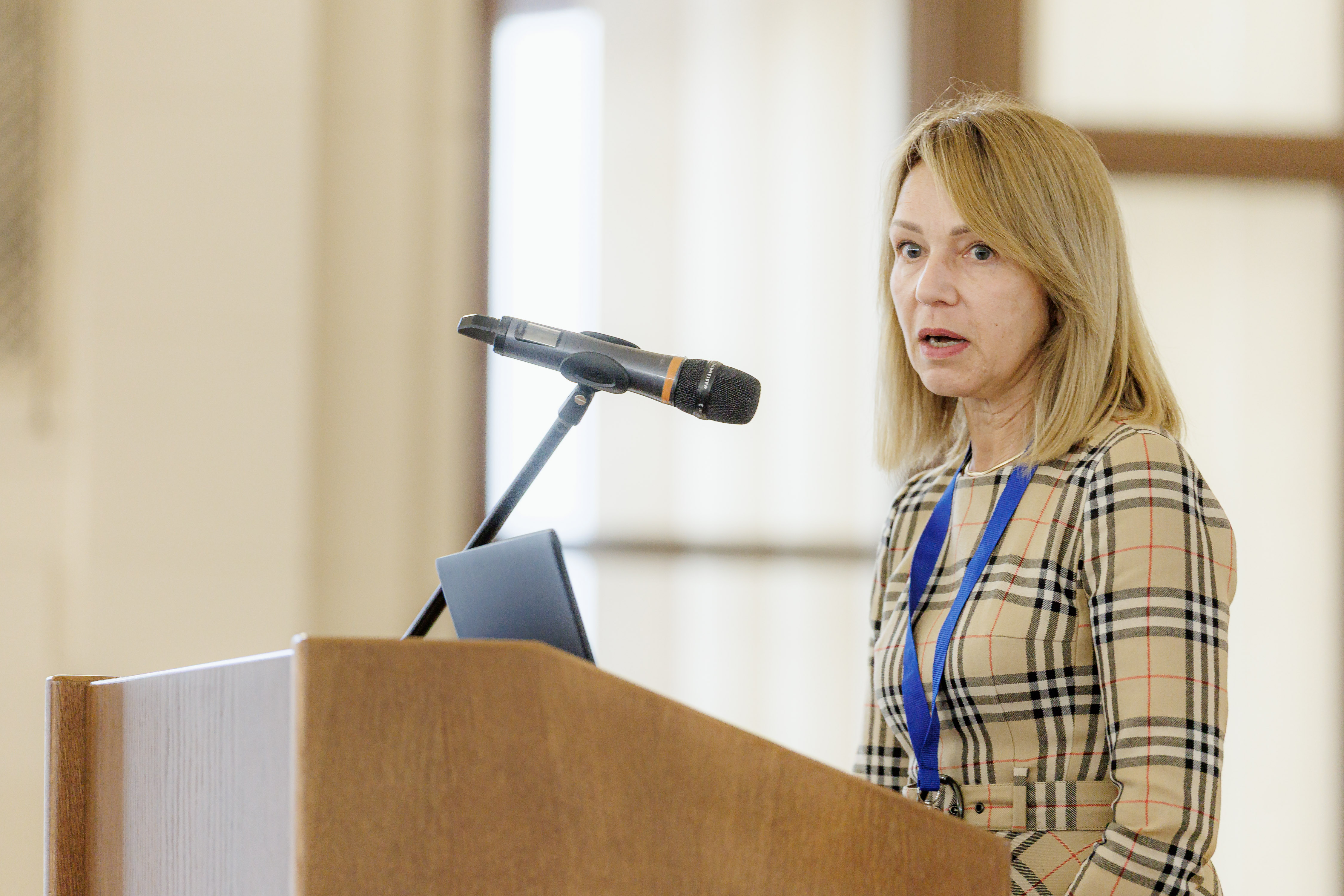
On September 17–19 in Vilnius, the 5th Lithuanian Geographers’ Congress, “Development of Resilient Cities and Regions,” held at the Lithuanian Academy of Sciences, brought together Lithuanian and international researchers, practitioners, and decision-makers to discuss the resilience of cities and regions to climate, environmental, and societal changes. A total of 76 presentations by Lithuanian and international scientists and practitioners were delivered.
Aerobiologists from the Šiauliai Academy of Vilnius University also participated in the congress. Professor Ingrida Šaulienė and Associate Professor Laura Šukienė, Ph.D., presented a paper titled “Urban Climate and Bioaerosols: Assessment of Variability in Airborne Pollen” during the urban climate session. In this presentation, based on more than two decades of aerobiological observation data and their correlations with meteorological conditions, pollen was analyzed not only as an allergenic risk factor but also as a biological indicator of urban environmental and climatic processes. This line of research was complemented by a presentation by doctoral student Austė Noreikaitė titled “Pollen—Bioindicators of Urban Environmental Quality.” Both presentations revealed broader applications for aerobiological data—ranging from understanding long-term changes in the urban environment to providing information that could be crucial for planning and maintaining urban green spaces.
The topic of bioaerosols garnered significant interest at the conference and sparked discussions not only among the academic audience. Of particular note was the attention paid by potential end-users of the research results. Employees of the Vilnius City Municipality whose work involves the maintenance of city parks, as well as specialists implementing specific urban greening projects, expressed interest in the potential applications of the research. The discussions highlighted the need for a comprehensive assessment of urban green spaces. Future green spaces should not only enhance biodiversity and the city’s resilience to climate change but also be conducive to residents’